
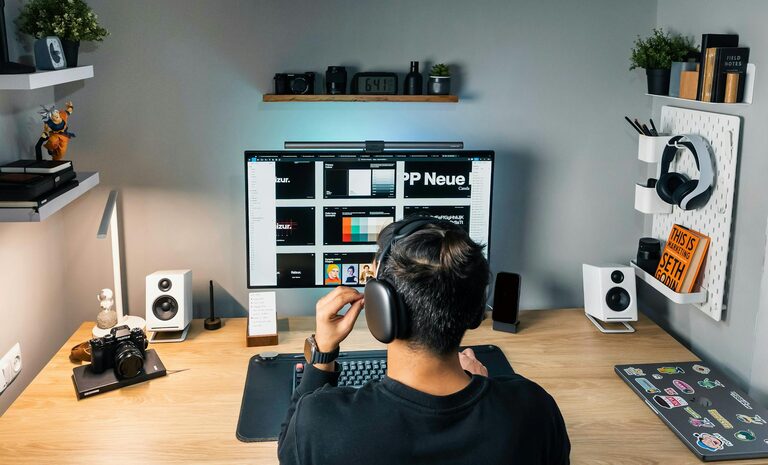
Working from home has become a common part of many people’s lives. Setting up a workspace that is both relaxing and productive can make a big difference to your focus, creativity, and overall well-being. Whether you have a dedicated room or just a small corner, creating the right environment is crucial for a successful home office. In this article, we’ll explore practical tips to help you design a workspace that encourages both relaxation and productivity.
Choose the Right Location
Finding the perfect spot in your home is the first step. Ideally, your workspace should be:
– Quiet: Minimise noise and distractions.
– Well-lit: Natural light is best for mood and energy.
– Comfortable: Temperature and ventilation should be pleasant.
If space is limited, choose a corner with minimal foot traffic. Avoid working in areas usually reserved for relaxation, such as the sofa or bedroom, as this can blur boundaries between work and rest.
Invest in Comfortable and Ergonomic Furniture
Your body will thank you for good-quality furniture that supports your posture:
– Desk: Ensure it’s the right height for your chair and allows for comfortable arm positioning.
– Chair: Look for adjustable chairs with lumbar support. Sitting for long periods demands good back support.
– Accessories: A footrest, mouse pad with wrist support, or an external keyboard can improve comfort.
Comfort reduces physical strain and lets you concentrate on your tasks more effectively.
Organise and Declutter
A tidy workspace fosters a clear mind. Here’s how you can keep your area organised:
– Use storage boxes or drawers to keep essentials close by but out of sight.
– Limit the items on your desk to what you use daily.
– Regularly clear away paper clutter.
– Label files and folders for easy access.
Organised spaces not only look inviting but also reduce the time spent searching for things.
Use Soothing Colours and Personal Touches
Colour influences our mood and productivity. Consider:
– Calm tones: Soft blues, greens, or neutrals promote relaxation.
– Bright accents: Small touches of yellow or orange can spark creativity without overwhelming the senses.
Additionally, personalise your workspace with photos, plants, or art to make it feel welcoming and motivating. However, avoid overdecorating as too many items can become distracting.
Maximise Natural Light and Add Proper Artificial Lighting
Natural light is uplifting and helps maintain your body clock. Position your desk near a window if possible. If natural light is limited:
– Use adjustable desk lamps with warm light to reduce eye strain.
– Avoid harsh overhead fluorescent lights.
– Consider daylight bulbs for a natural feel.
Good lighting reduces fatigue and makes your workspace more enjoyable.
Minimise Noise and Distractions
To maintain focus, take steps to reduce noise:
– Use noise-cancelling headphones or play soft background music.
– Consider rugs or curtains to absorb sound.
– Inform others in your household about your working hours.
Minimising interruptions nurtures concentration and helps you stay productive.
Incorporate Break Areas and Movement
Long periods of sitting are not ideal for health or focus. Create opportunities to move:
– Have a spot nearby for stretching or quick exercises.
– Use a standing desk converter or alternate between sitting and standing.
– Take short, regular breaks to refresh your mind.
Movement encourages energy flow and prevents burnout.
Maintain Technology and Connectivity
Ensure your workspace is equipped with reliable technology:
– Fast internet connection.
– Adequate charging points.
– Organised cables to avoid clutter.
Technology issues add stress, so setting up proper infrastructure is important.
Set Boundaries and Schedule Work Hours
Even within your home, clear guidelines help separate work and personal life:
– Define your working hours and stick to them.
– Use visual cues like closing the office door.
– Communicate your schedule to family or housemates.
Boundaries help maintain work-life balance and reduce feelings of being ‘always on’.
Keep Refreshments Handy
Staying hydrated and nourished fuels your productivity:
– Have a water bottle or jug nearby.
– Keep healthy snacks within reach.
– Avoid working near the kitchen to reduce temptation for unnecessary eating.
Small conveniences reduce interruptions and maintain steady energy.
—
Creating a home workspace that is both relaxing and productive doesn’t require a huge budget or space. With a few thoughtful adjustments, you can build an environment that supports your work goals while prioritising your comfort and wellbeing. Remember to tailor these tips to what suits you best — your ideal workspace is one where you feel calm, focused, and inspired.