
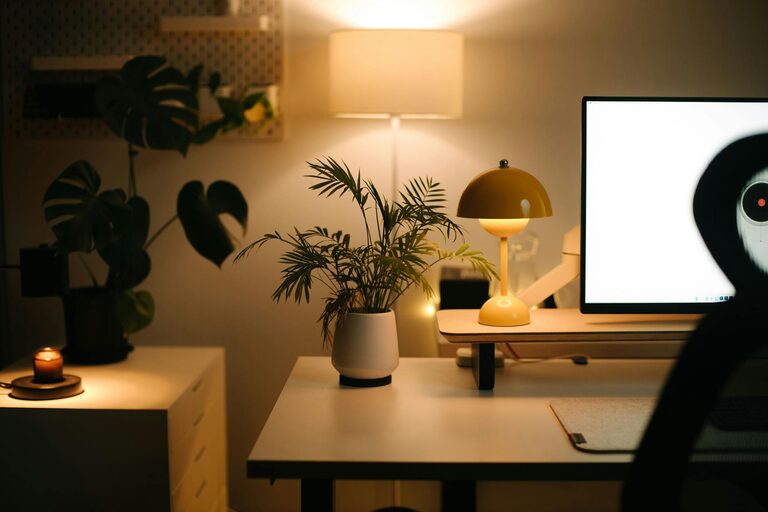
Creating a home workspace that feels cosy and inviting can significantly improve your productivity and well-being. Whether you’re working remotely full-time or occasionally need a quiet spot to focus, the design of your workspace matters. A well-thought-out environment boosts concentration, reduces stress, and even sparks creativity.
In this guide, we’ll explore practical tips on how to create a home workspace that looks inviting, feels comfortable, and supports your work habits.
1. Choose the Right Location
Selecting the best spot for your workspace sets the foundation for an inviting atmosphere.
– Natural Light: Position your desk near a window if possible. Natural light can improve mood and reduce eye strain.
– Quiet Area: Pick a quiet corner or room where distractions are minimal.
– Away from High Traffic: Avoid spaces that are busy or noisy, such as near the kitchen or living room.
2. Invest in Comfortable Furniture
Your chair and desk are critical elements for comfort during long work hours.
– Ergonomic Chair: Invest in a chair that supports good posture and reduces back strain.
– Appropriate Desk Height: Your desk should match your seated height to avoid discomfort.
– Adjustable Furniture: Consider height-adjustable desks to alternate between sitting and standing.
3. Personalise Your Space
Personal touches make your workspace inviting and unique.
– Artwork and Photos: Hang a few framed pictures or artwork that inspire you.
– Plants: Adding greenery can create a calm environment and improve air quality.
– Favourite Objects: Place a few meaningful items, like a favourite mug or small ornament.
4. Keep It Organised
An organised workspace reduces distractions and helps maintain focus.
– Storage Solutions: Use shelves, drawers, or boxes to keep clutter hidden.
– Desk Organisers: Keep stationery and tools neatly arranged within easy reach.
– Cable Management: Use clips or cable sleeves to tidy up cords and plugs.
5. Choose Calming Colours
Colour affects mood and productivity, so select hues that promote calm and focus.
– Neutral Tones: Soft greys, beiges, and pastel colours create a relaxing backdrop.
– Accent Colours: Use muted blues or greens for a touch of colour without overwhelming.
– Avoid Harsh Colours: Bright reds or neon colours can be distracting in large amounts.
6. Use Soft Lighting
Lighting strongly influences the workspace atmosphere.
– Desk Lamp: A warm-toned desk lamp adds focused lighting.
– Ambient Lighting: Combine ceiling lights with softer lamps to avoid harsh glare.
– Avoid Screen Glare: Position lights to reduce reflection on your computer screen.
7. Add Textures and Warmth
Incorporating soft textures adds to the cosy feel.
– Rugs: Place a soft rug under your desk or chair to introduce warmth.
– Throws and Cushions: A cushion on your chair or a small throw blanket can elevate comfort.
– Curtains or Blinds: Soft window treatments help control light and add texture.
8. Manage Noise Levels
A quiet environment is essential for concentration.
– Noise-Cancelling Headphones: Useful if you cannot control external noise.
– Soft Furnishings: Rugs and curtains help absorb sound and reduce echo.
– White Noise Machines: These can mask distracting background noises.
9. Create a Routine and Respect Your Space
Your workspace should signal ‘work time’ and encourage focus.
– Dedicated Work Hours: Define specific working times to maintain balance.
– Clear Boundaries: Avoid using your workspace for non-work activities.
– Daily Tidy-Up: Spend a few minutes organising your desk at the end of each day.
10. Incorporate Technology Thoughtfully
Ensure your tech setup supports productivity but doesn’t overpower the cosy feel.
– Minimalist Setup: Avoid too many gadgets cluttering your desk.
– Ergonomic Accessories: Use keyboard trays, monitor stands, or wrist supports as needed.
– Wireless Devices: Reduce cable clutter with wireless keyboards, mice, or printers.
—
By implementing these tips, you can design a home workspace that isn’t just functional but also warm and welcoming. Remember, a cosy workspace nurtures focus and creativity, making working from home a more pleasant experience. Take small steps to personalise and improve your environment and enjoy the benefits of a more inviting place to work.