
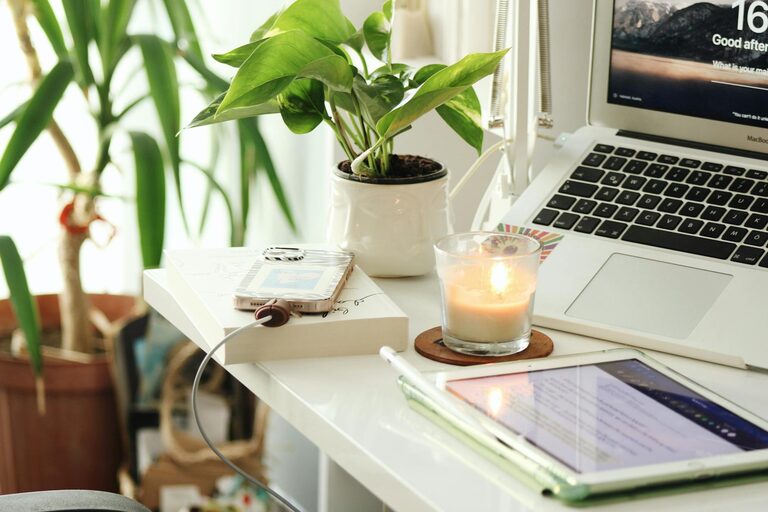
Creating a home office that is both relaxing and productive can significantly improve your work-from-home experience. Whether you work full-time remotely or just need a quiet space for occasional tasks, your office environment plays a key role in how well you perform and feel throughout the day. This guide offers useful tips to help you design a home office that supports focus and calm, enabling you to work efficiently without sacrificing comfort.
Choose the Right Location
Where you set up your office matters. Ideally, pick a spot that is quiet and away from high traffic areas in your home to minimise distractions. If possible, select a room with a door for privacy, or at least a space that feels separate from your everyday living areas.
Natural light is another important factor. Position your desk near a window to benefit from daylight, which can help reduce eye strain and boost mood. If natural light is limited, invest in good quality lighting that mimics daylight to keep the space bright and inviting.
Invest in Comfortable and Functional Furniture
A comfortable chair and desk are essential for long hours of work. Choose an ergonomic chair that supports your back and encourages proper posture. Adjustable chairs are great to accommodate your height and preferences.
Your desk should be the right height and size for your needs. Ensure you have enough surface area for your computer, notebooks, and any other tools without feeling cluttered. Consider desks with storage solutions or add organisers to keep essentials within reach but out of the way.
Keep the Space Organised and Clutter-Free
Clutter can be distracting and stressful. Use shelves, filing cabinets, or drawers to store documents, stationery and equipment neatly. Label folders or containers to find items quickly.
Make it a habit to tidy your desk at the end of each day. A clear workspace helps clear your mind, making it easier to start fresh the next morning.
Personalise with Calming Colours and Decorations
Colour affects mood and productivity. Soft, neutral colours like light blues, greens, or greys tend to create a calming atmosphere. You may choose a feature wall or accessories in these shades.
Decorate with a few personal touches such as photos, inspirational quotes, or artwork that makes you feel happy and motivated. However, avoid overcrowding the space with too many decorations.
Incorporate Plants for Better Air Quality and Ambience
Adding some greenery can brighten the room and has been shown to improve concentration and reduce stress. Choose low-maintenance indoor plants like spider plants, succulents, or peace lilies.
Place your plants where they can receive some natural light but won’t be in your way. Their presence will help create a fresh, invigorating environment.
Control Noise Levels
Noise can interfere with your concentration. If your office is near noisy areas, consider soundproofing methods such as heavy curtains, rugs, or acoustic panels.
Using a white noise machine or playing soft background music can also help mask distractions. Headphones may be an option if you prefer complete silence or want to listen to focus-enhancing sounds.
Maintain Good Air Quality and Temperature
Fresh air and a comfortable temperature contribute greatly to your wellbeing and alertness. Open a window regularly if possible, or use an air purifier to keep the air clean.
Keep the temperature moderate, ideally between 18-22°C. Use a fan, heater or humidifier as needed to create a comfortable climate.
Establish Boundaries for Work and Relaxation
To prevent work from taking over your home life, set clear boundaries. Define your working hours and stick to them to avoid burnout.
If your office is in a shared space, communicate your schedule with household members to minimise interruptions. When the workday ends, close your office door or clear your workspace to signal the transition to relaxation time.
Use Technology to Enhance Efficiency
Equip your home office with reliable technology. A good Wi-Fi connection, a quality monitor, efficient keyboard, and mouse can make a difference.
Organise your digital files and use productivity apps or timers to keep on track. Avoid digital clutter by regularly clearing your inbox and desktop.
Take Breaks and Move Regularly
Even with the best setup, sitting for long periods can negatively impact your health and focus. Incorporate short breaks during your day to stretch, walk, or practice deep breathing.
Consider investing in a sit-stand desk or a balance ball chair to vary your posture throughout the day.
—
Creating a home office that feels both relaxing and productive takes some thoughtful planning but is well worth the effort. By choosing the right location, prioritising comfort, managing clutter, and paying attention to your senses, you’ll cultivate a workspace that supports your wellbeing and work goals. Experiment with these tips to find the perfect balance that suits your lifestyle.