
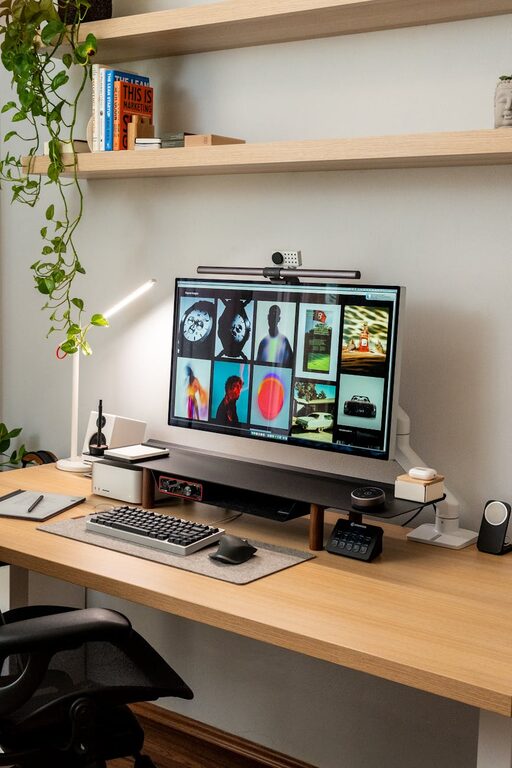
Creating a home workspace that is both relaxing and productive can make a significant difference to your daily routine. Whether you work from home full-time or occasionally need a quiet place to focus, having a dedicated and well-organised space is key to maintaining concentration and reducing stress. In this post, we’ll explore practical tips to help you set up an environment that supports both relaxation and productivity.
Why a Good Home Workspace Matters
Working from home offers many benefits, such as flexibility and comfort. However, it can also present challenges like distractions or physical discomfort. Creating a workspace designed to foster concentration can improve your efficiency and wellbeing. At the same time, adding relaxing elements can prevent burnout and help you enjoy your workday.
Choose the Right Location
Selecting the ideal spot for your workspace is the first step. Consider these factors:
– Natural Light: Place your desk near a window if possible to benefit from daylight, which helps reduce eye strain and improves mood.
– Quiet Area: Pick a part of your home with minimal noise and foot traffic.
– Space: Ensure there is enough room for your equipment and to move comfortably.
Prioritise Ergonomics
Your comfort directly impacts how effectively you work. Investing in ergonomic furniture helps prevent physical strain.
– Comfortable Chair: Choose a chair with good lumbar support and adjustable height.
– Desk Height: Your desk should allow your elbows to rest at a 90-degree angle.
– Screen Position: Keep your computer screen at eye level to reduce neck tension.
– Accessories: Consider wrist rests or footrests if needed.
Declutter and Organise
A tidy workspace reduces distractions and saves time.
– Minimal Essentials: Keep only items you regularly use on your desk.
– Storage Solutions: Use drawers, shelves or organisers to store supplies.
– Cable Management: Tidy cables with clips or sleeves to avoid a messy look.
Control Lighting
Good lighting improves visibility and comfort.
– Combine Natural and Artificial Light: Use overhead lights alongside task lighting like desk lamps.
– Adjust Brightness: Avoid glare by positioning lights carefully.
– Consider Warmth: Warmer lights can create a relaxing atmosphere during late hours.
Personalise Mindfully
Adding personal touches can make your workspace inviting without causing clutter.
– Plants: Indoor plants improve air quality and reduce stress.
– Artwork or Photos: Choose calming or motivational images.
– Scent: Use subtle scents like lavender or citrus to enhance mood.
Manage Noise
Sound can greatly affect concentration.
– Noise-Cancelling Headphones: Useful if the environment is noisy.
– Background Music: Soft instrumental music can aid focus but keep it low.
– Soundproofing: Add rugs, curtains, or cushions to help absorb sound.
Establish Boundaries
Creating clear boundaries between work and leisure helps maintain balance.
– Set Work Hours: Define times for starting and finishing work.
– Avoid Overflow: Try to keep work materials within your workspace.
– Take Breaks: Step away for short breaks to relax your mind.
Optimise Technology
Efficient technology setup saves frustration.
– Reliable Internet: Ensure your connection is fast and stable.
– Ergonomic Accessories: Wireless keyboard and mouse can reduce wrist strain.
– Software Tools: Use productivity apps to organise tasks.
Keep It Flexible
Your needs may change over time, so allow your workspace to evolve.
– Multi-Use Furniture: Consider desks that can convert to standing desks.
– Adjustable Layout: Rearrange elements as needed for comfort.
– Seasonal Changes: Adapt lighting and decorative elements to suit the season.
Final Thoughts
Creating a home workspace that is both relaxing and productive involves a balance of practical setup and personal touches. By choosing the right location, focusing on ergonomics, keeping the space tidy, and including calming elements, your workspace can become a place where work feels less like a chore and more like a positive part of your day. Remember to be patient and flexible as you find what works best for you.